
11 Best Hot Peppers To Grow

Disclaimer: As an Amazon Associate, I earn from qualifying purchases. Pepper Geek takes part in various affiliate programs. This means that purchases through our links may result in a commission for us.
We have grown hundreds of different hot pepper plants over our 10+ years of gardening. Through this experience, I have learned that not all hot pepper varieties are created equal. So, if you’re having trouble deciding which seeds to buy, I’ll share some of the best hot peppers to grow. Let’s get started!
Note: If you’re looking for seeds for any of these peppers, most can be found at one of our favorite pepper seed sellers.
1. Serrano Peppers
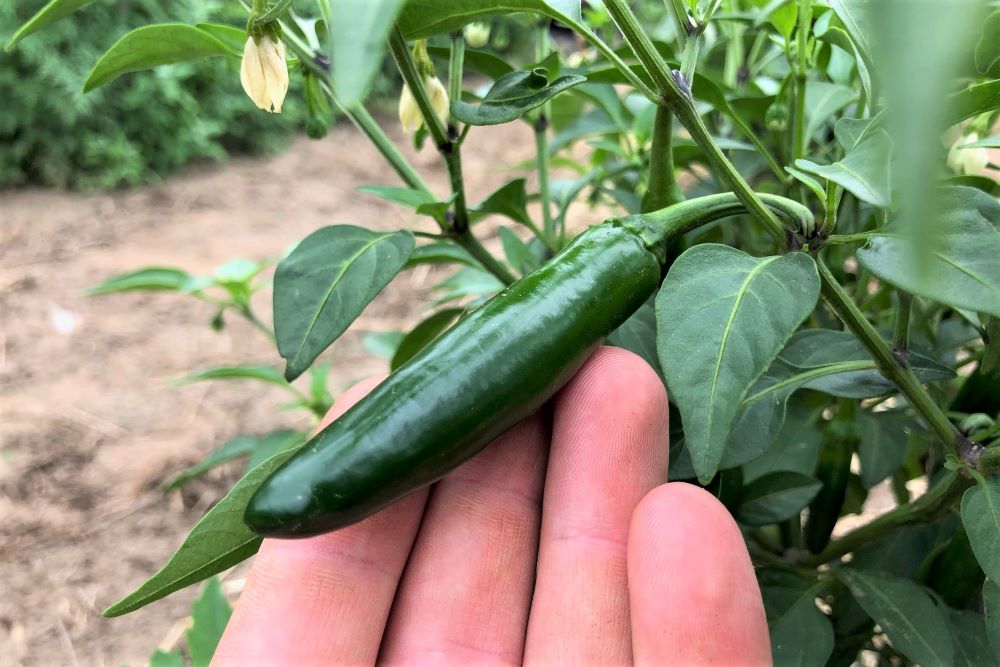
- Heat level: ~10,000 SHUs
Serrano peppers are easy to grow and provide heaps of hot chilies from even a single plant. They are also most commonly enjoyed in their green (unripe) form, which means they can be harvested earlier than some other hot pepper types.
The plants are on the smaller side, but tend to be very bushy and dense with fruits. If you’re newer to gardening, serranos make a perfect starter pepper variety. If you like your peppers sweeter, you can wait for your serranos to ripen and turn red before picking them!
2. Habaneros
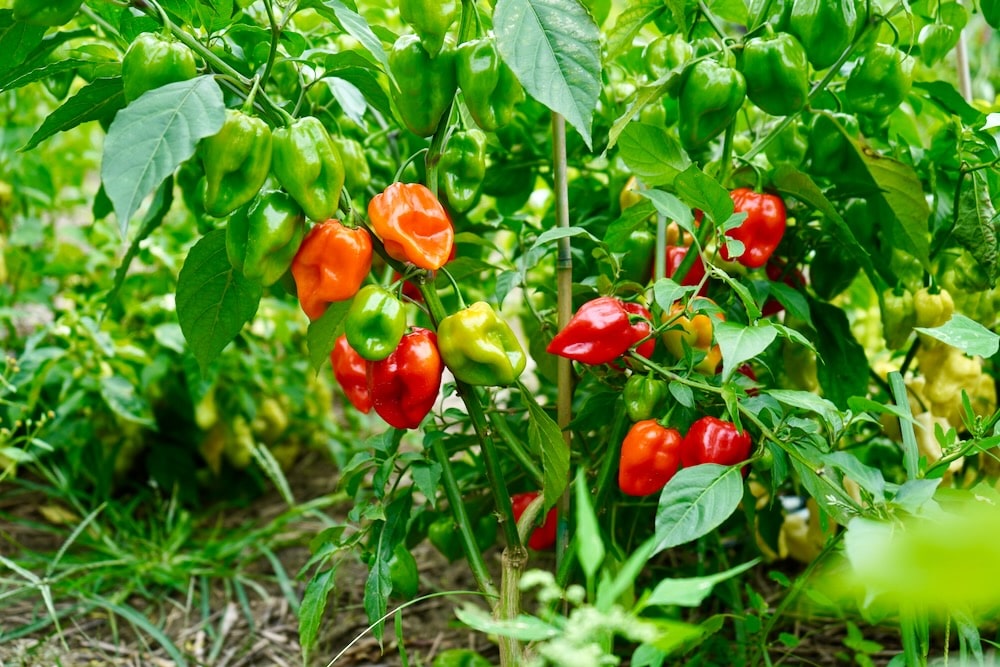
Heat level: 250,000+ SHUs
If serranos are not hot enough for you, step things up and try growing habanero peppers. These popular hot peppers are fairly easy to grow in the home garden, and make great container plants.
There are also many different types of habaneros, including red, orange, yellow, brown, and even white varieties. And while most habaneros are very spicy, there are some that have been bred to have little or even no heat.
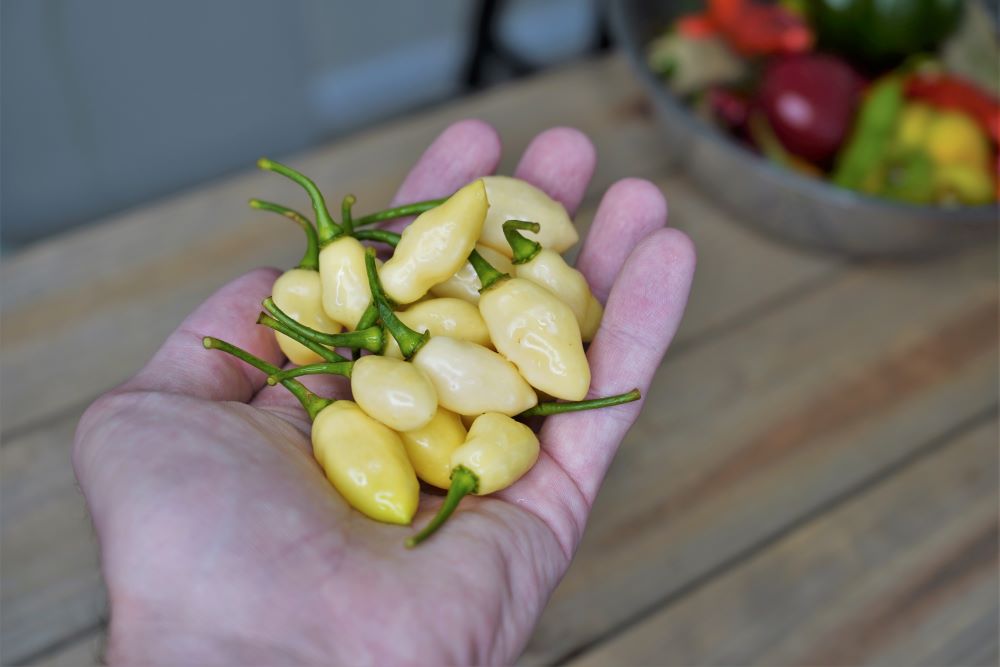
Plus, if you’ve never eaten a habanero pepper, the flavor is truly unique. These peppers have a flowery aroma and taste much more pungent than most common peppers. Just be careful when slicing your fresh habaneros – the juices can cause a skin burn!
3. Cayennes
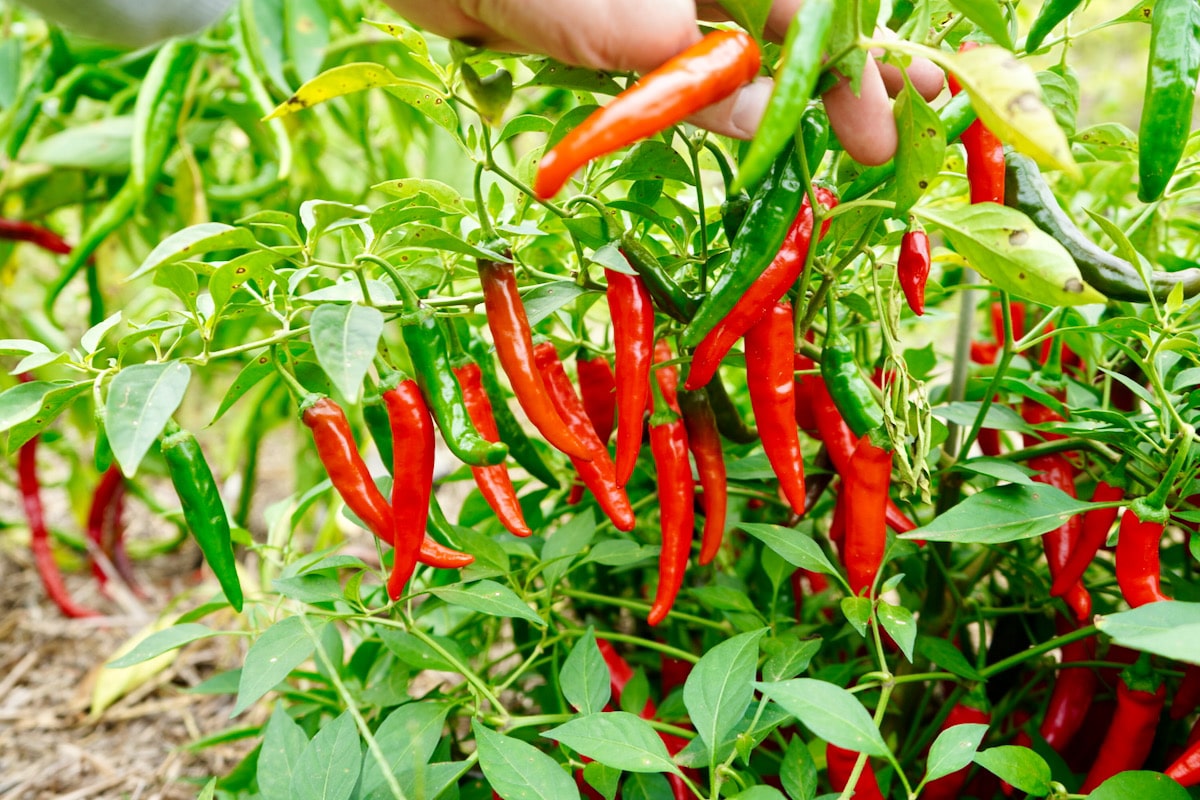
Heat Level: ~50,000 SHUs
Cayenne peppers are a staple in our garden every season. We use the fresh chilies in cooking, but more importantly I love to dehydrate them to make homemade cayenne powder.
Since cayenne peppers are so popular, there are lots of different types to choose from. One season, we grew and tested 7 different cayenne varieties to find our favorite type, and agreed on a clear winner (shown in the picture above). But most cayenne pepper plants are highly productive, producing bright red chilies with lots of different uses.
4. 7 Pot Peppers
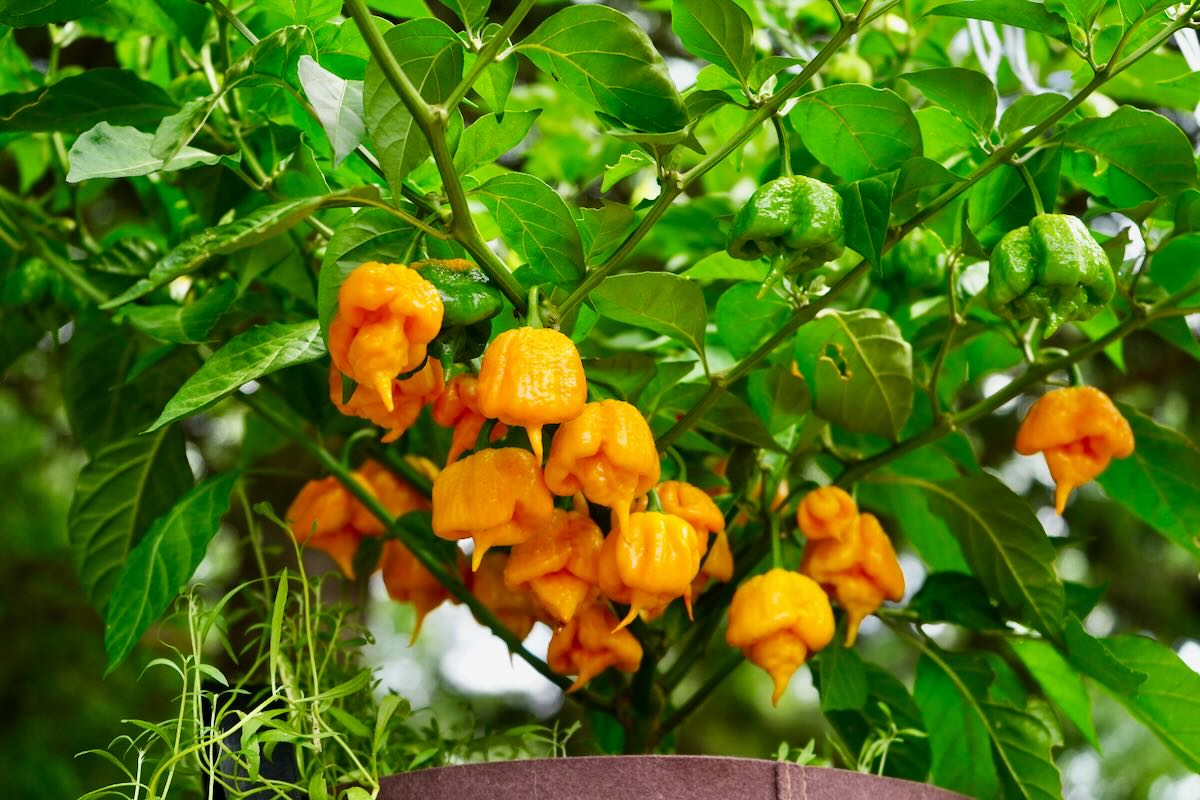
Heat Level: 500,000+ SHUs
If you like making hot sauce recipes, or just love the burn, then 7 pots may be the best hot peppers to grow. I particularly love the yellow or orange 7 pot varieties for their delicious, lemon-like flavor and aroma.
These plants can take up a lot of space in the garden, and can produce hundreds of peppers on a single plant. Of course, this will depend on the size of the container used to grow the plants (the bigger the container, the bigger the plant). They also need extra time to fully ripen their fruits, so make sure to plant your 7 pot seeds early!
5. Jalapeños
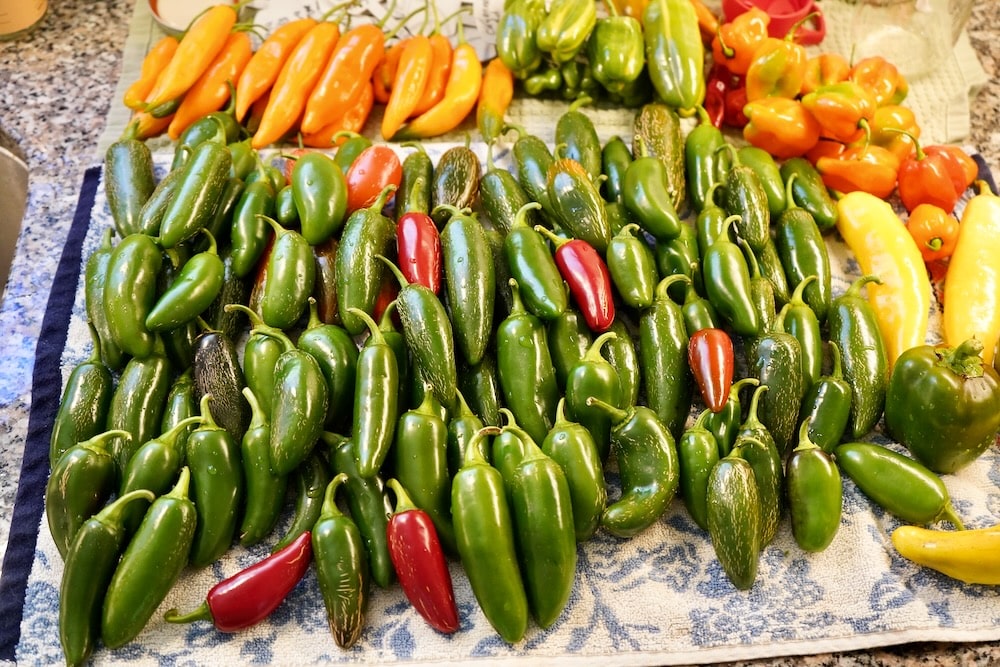
Heat Level: ~3,500 SHUs
While I love growing special and unique pepper varieties, jalapeños are still one of my very favorites. Especially since we trialed 8 different jalapeños and found our absolute favorite, the Goliath jalapeño.
Jalapeños are reliable plants, and the peppers are incredibly useful for making recipes. For example, I always make a big batch of pickled jalapeños every year, which last for months in the fridge. You can also make a tasty jalapeño hot sauce, or dice them up for a spicy salsa.
Hot Pepper Growing Tips 💡
- Plant seeds at least 6 weeks before your last frost date to give plants a head start
- Grow in containers of 5+ gallons for ideal yields
- Fertilize plants regularly to provide consistent supply of nutrients
- Learn more about growing hot peppers here
6. Ghost Peppers
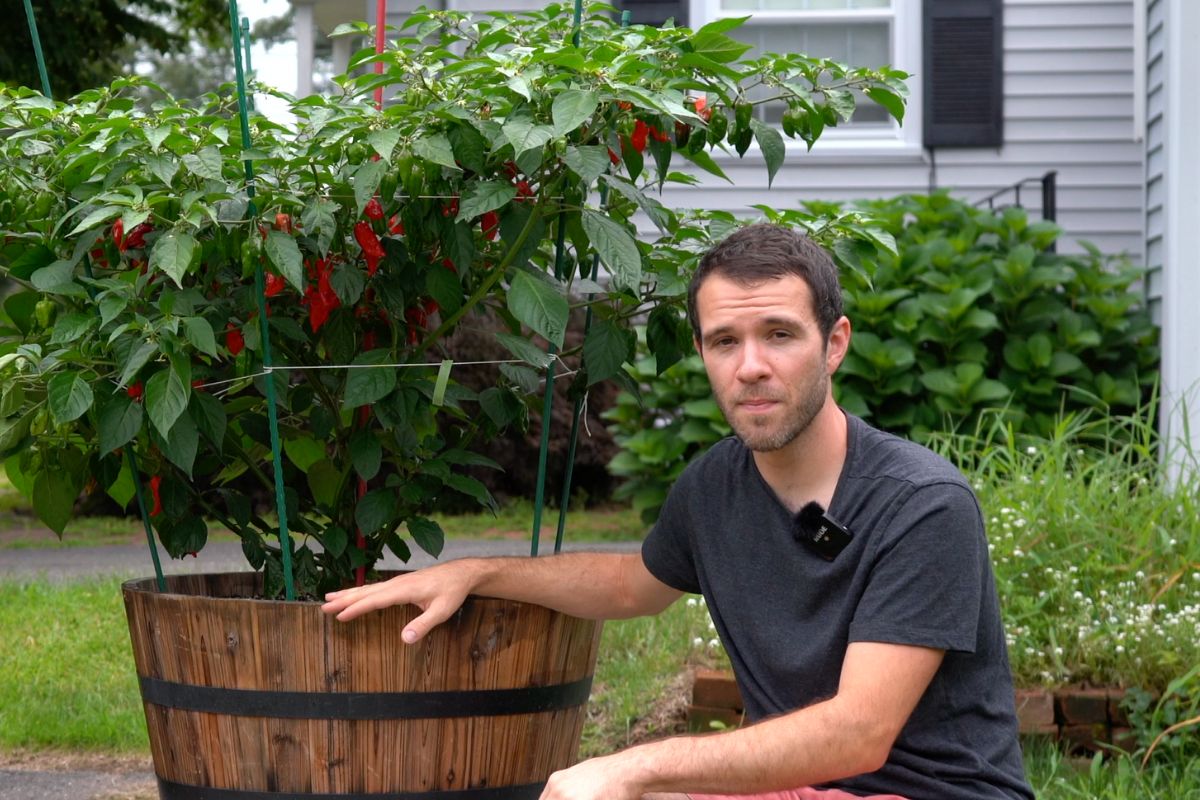
Heat Level: 1,000,000 SHUs
Ghost peppers may seem intimidating to grow, but it is no more complicated than growing habaneros. In fact, ghost peppers have the ability to grow into huge, highly-productive plants.
However, there are a couple important things to consider if you want to grow ghost peppers at home. First is the growing duration. Ghost peppers need a very long season to produce ripe peppers, so planting early is key. Second is that the size of the pot directly affects the size of the plant. However, they can easily be grown in a smaller container if you’d rather downsize your harvest of superhot peppers.
7. RB003
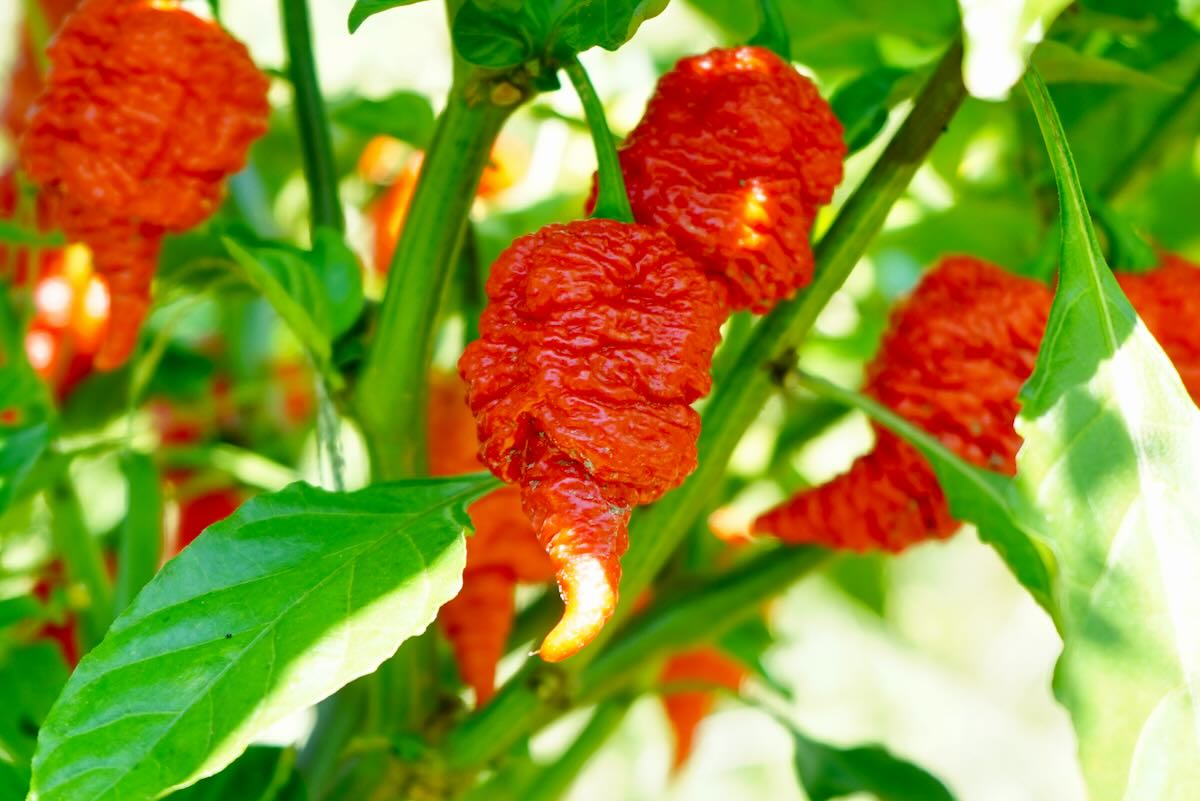
Heat Level: ~1,000,000 SHUs
You’ve probably heard of the Carolina reaper, but why not grow something that looks even gnarlier? This is the RB003 cross created by Ross Barber. It has an incredible appearance with wrinkled skin and a long, twisted tail.
Our plants grew an abundance of these amazing-looking superhot peppers. These are fantastic for making extra-spicy hot sauce, or superhot powder.
8. Sugar Rush Stripey
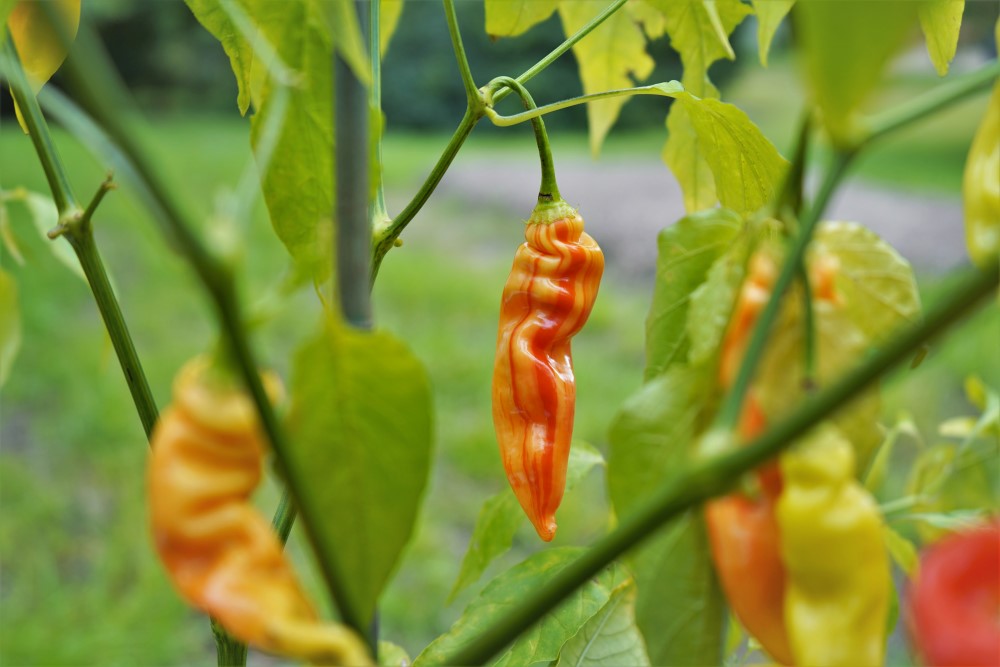
Heat Level: 25,000+ SHUs
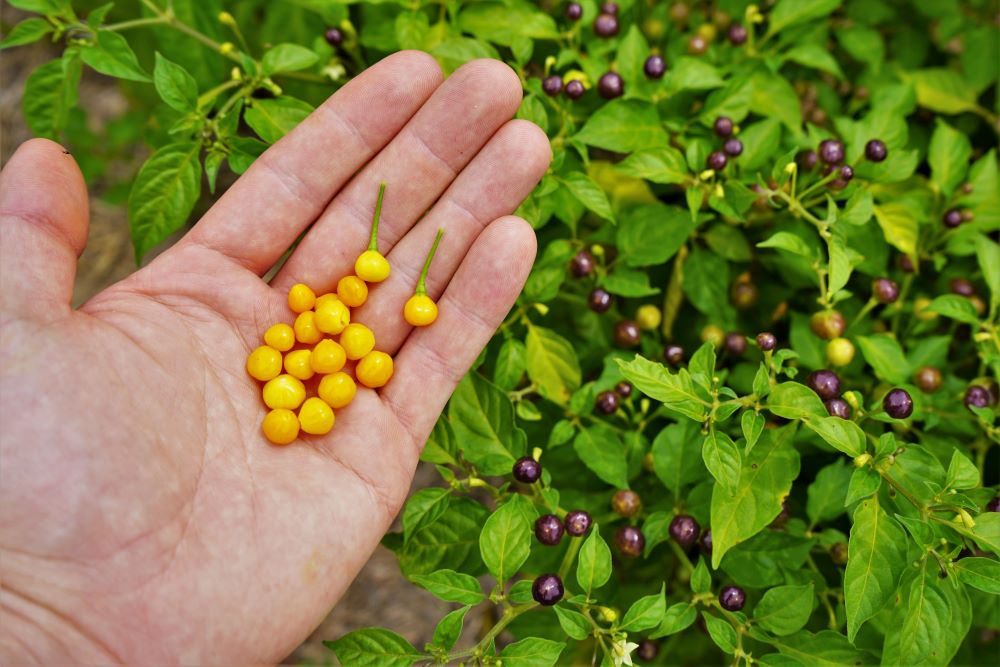
If you want to grow a fancy pepper, then look no further than the sugar rush stripey. This is one of the rare peppers that becomes striped when it ripens. Not only are they beautiful to look at, but they are also very tasty.
This variety comes from the Capsicum baccatum species, which has a characteristic fruity flavor. When picked perfectly ripe, the stripey has an amazing crunch, and quite an impressive kick, too. The only downsides I have noticed with the plants are that they take a long time to ripen, and they can suffer from disease. But it’s worth the extra effort!
9. Cobanero Chiles

Heat Level: 30,000 SHUs
The Cobanero may be one of the most underrated hot peppers you can grow. These small Mayan chilies grow on extremely sturdy plants, and produce in large numbers. They start off a dark green color and ripen to a brilliant red.
Our favorite thing about the Cobanero pepper is the unique flavor. They taste fruity and floral, with hints of smokiness and a sharp bite of heat. They make my favorite pepper powder to use in cooking – I sprinkle it on everything.
10. Hatch Chile Peppers
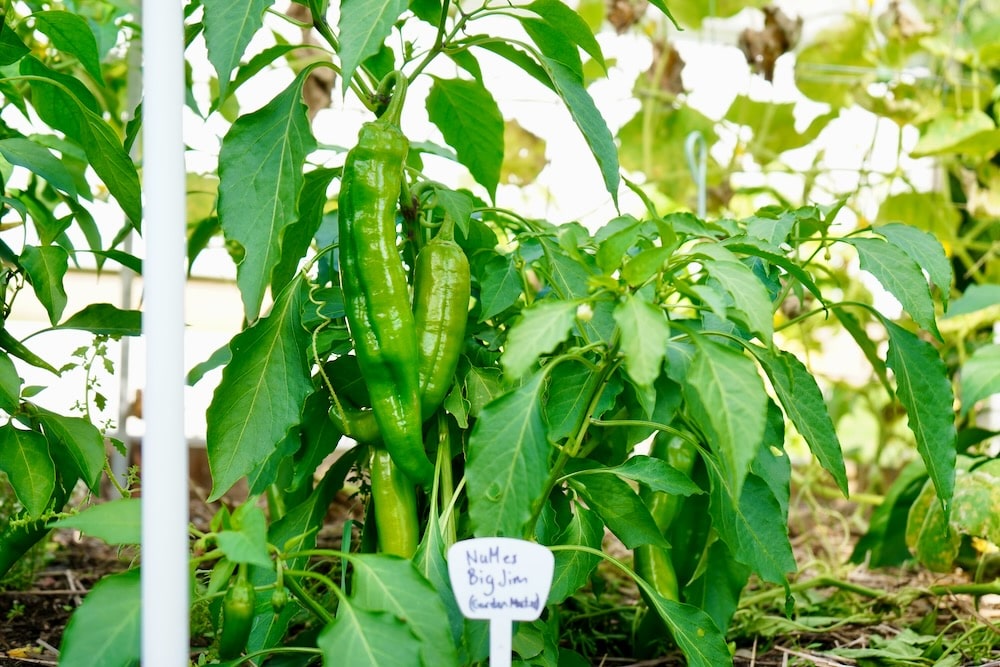
Heat Level: 1,000-10,000 SHUs
We only recently started growing Hatch green chile. Technically, true “Hatch” chiles can only be grown in the Hatch Valley region of New Mexico, where these peppers are celebrated every year at harvest time. And with good reason.
Green Hatch chiles have an amazing flavor when roasted. They can be added to almost anything, but I particularly like adding them to pasta dishes, omelets, sandwiches, and more. Be sure to harvest your Hatch chiles while they are still green (after they reach a full size) for the best flavor!
11. Weird Pepper Crosses
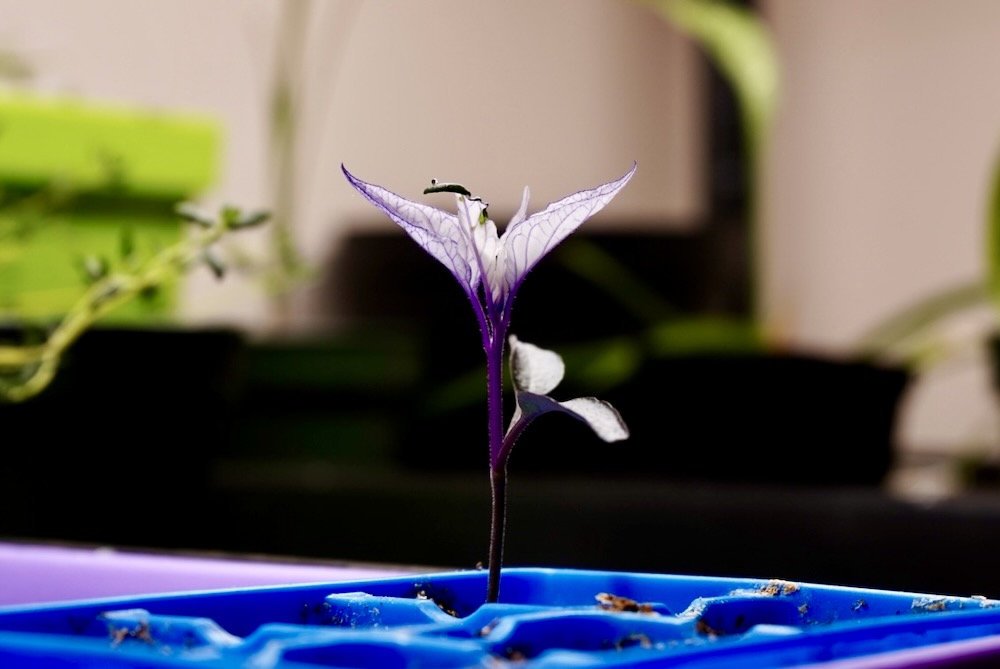
If you want to grow something no one else grows, explore some of the strange crosses that are available. Browse MattsPeppers.com, TownsEnd, or maybe try crossbreeding peppers yourself!
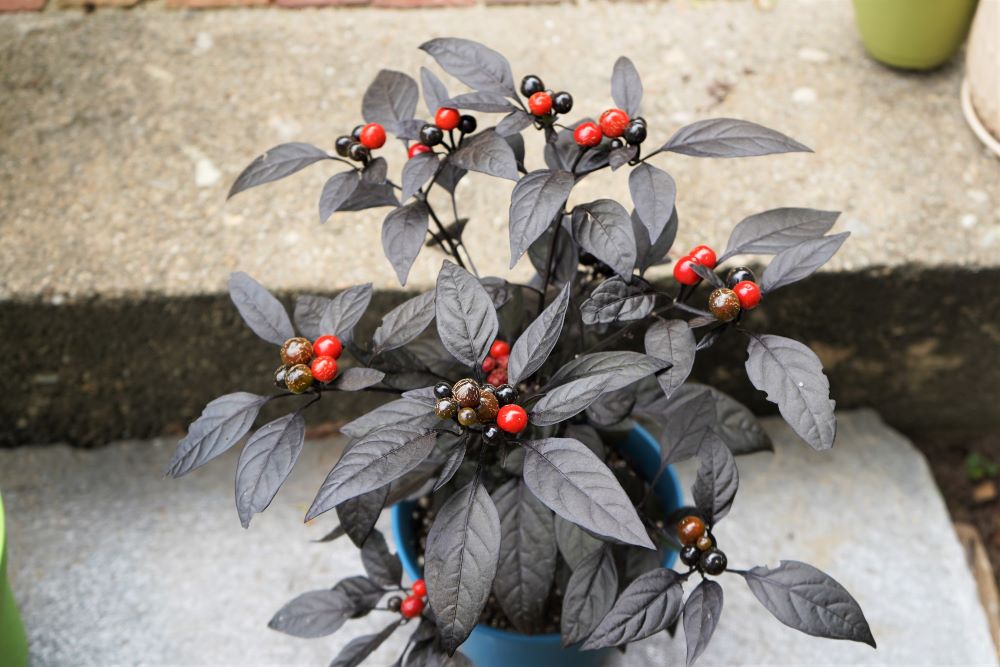
One of the main reasons to grow hot peppers is to grow something you can’t buy in a grocery store. If you don’t mind a little variance in your plants, it can be a lot of fun to grow some experimental plants! Try exploring the dark-foliage peppers, like the purple reaper.
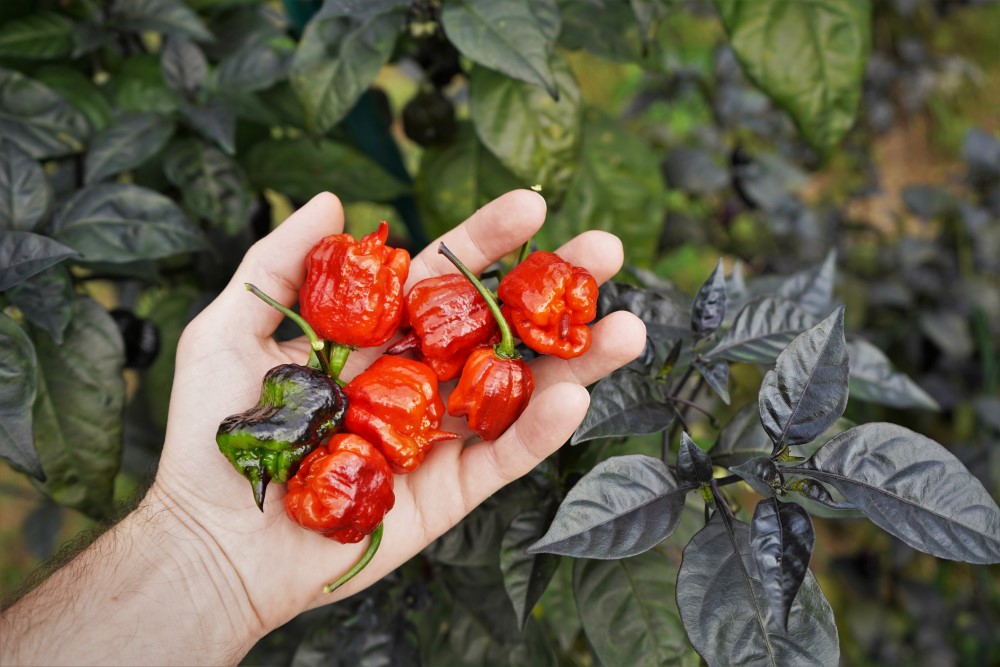
I hope this article inspires you to grow your own hot peppers. There are endless options to choose from, but all of the listed peppers have been well worth the effort in my eyes. Happy gardening!

Calvin
One of the original Pepper Geeks! When Calvin isn’t gardening or learning more about peppers and botany, he might be traveling new places or playing some music.
Calvin: Enjoy your page, but need some advice I haven’t seen on it yet. I grew four beautiful Carolina Reaper plants this year. Nearly 50 perfectly formed, beautiful peppers. Now what? At a million-plus Scoville, is there any way in the world to eat them? A friend has read about, but not tried, a salsa containing eight pounds of tomatoes and three peppers. But then I gave one to the director of the senior citizen’s center here for her husband. But she put it to her mouth to see if it had a taste. Monday, she said, “What are you trying to do? Kill my mouth.” (Her lower lip was kinda blueish and slightly swollen.) I love hot peppers, ordinarily, but the Reaper appears to be way out of my league. Any suggestions?
That’s a common story! Reapers were the hottest pepper for 10+ years, so it’s really only for those that love exceptionally spicy food. Most of us can’t really handle that. The best use is to use them in large batches of hot sauce, so you could maybe find a local sauce maker that could use a larger quantity. You can ferment them for storage, or freeze them to save them for a later time. Best advice – just don’t grow them again 😂
I dried a Caribbean scorpion! SHU 1.2M-3M and it just started sprouting yay! My fist time and cayenne pepper, but my cayenne peppers are taking long to grow and flowe, now 2 months no flowers, planted together with bell peppers which I have started harvesting, any advice on the cayenne & scorpion!
I grow thors thunderbolt and black panther for heat and beaty
Hi There,
I’m trying to find a pepper I’ve had in the past called mean bean. Its a small white pepper with a good kick. Any idea what the real name of this pepper is ?
Thank You,
Jeff
I have not heard of that one! We have grown one called the snow white habanero, also the biquinho pepper, both are small and pack a punch. They’re C. chinense varieties, so taste similar to a habanero.
Hey Calvin — have you tried Chile De Arbol in your garden? I’ve been growing heat for over 20 years now and tried Chile De Arbol last season for the first time and was amazed at the abundance of peppers per plant. Uprooted whole plants last year for drying over the winter and just now cleaned the stems which took over an hour to do! There were that many. Not the intense heat of my Reapers but a nice complement in cooking or a heavy shake over a slice of pizza.
Yes I did grow it once I believe in 2019. Lots of peppers, but I think I just made pepper flakes which were decent.
Hey Calvin…finally decided to do something with all the dehydrated jalapeño and serranos from my fall harvest…I decided to make salts! The jalapeño salt is 1 part pepper and 2 parts kosher salt..packs a punch! The serrano is 1 part pepper and 3 parts kosher salt…they have a surprising afterburn…used my small coffee grinder (now my spice grinder!) Wanted to include a pic but couldn’t attach. Now I need to find enough adventurous friends to accept a bottle!!
That’s a great way to use them! I love jalapeño powder – it’s great on popcorn and grilled meats, soups, etc. Hope you can find someone who can enjoy it!
Hi Calvin hope you are well.
I live in Australia and would like to get some Goliath Jalopeno seeds. Do you know anywhere that I could get them over here?
Cheers Hope to hear from you.
Reg
Hi Reg, I wish I could be a bigger help, but not sure how you might get them down under. It’s an F1 hybrid so it needs to come from a reliable source that ships internationally. We get ours on totallytomato.com