
Hawaiian Chili Peppers – Info & Uses

Disclaimer: As an Amazon Associate, I earn from qualifying purchases. Pepper Geek takes part in various affiliate programs. This means that purchases through our links may result in a commission for us.
When we traveled to Hawaii, I was excited to see the beautiful landscapes and pristine waters of the volcanic islands. I was also excited to search out the famous Hawaiian chili pepper. During our adventures around Kauai, we stopped at many farmer’s markets, looking for the native pepper variety.
Finally, we got lucky and bought a handful of the small, red chili peppers from a local vendor. Years later, we now grow a Hawaiian chili pepper plant every year back in our home state of CT (which can be a challenge!).
In this article, I’ll share everything I have learned about Hawaiian chili peppers, including their flavor, heat level, uses in the kitchen, and a basic recipe for chili pepper water. Let’s get into it!
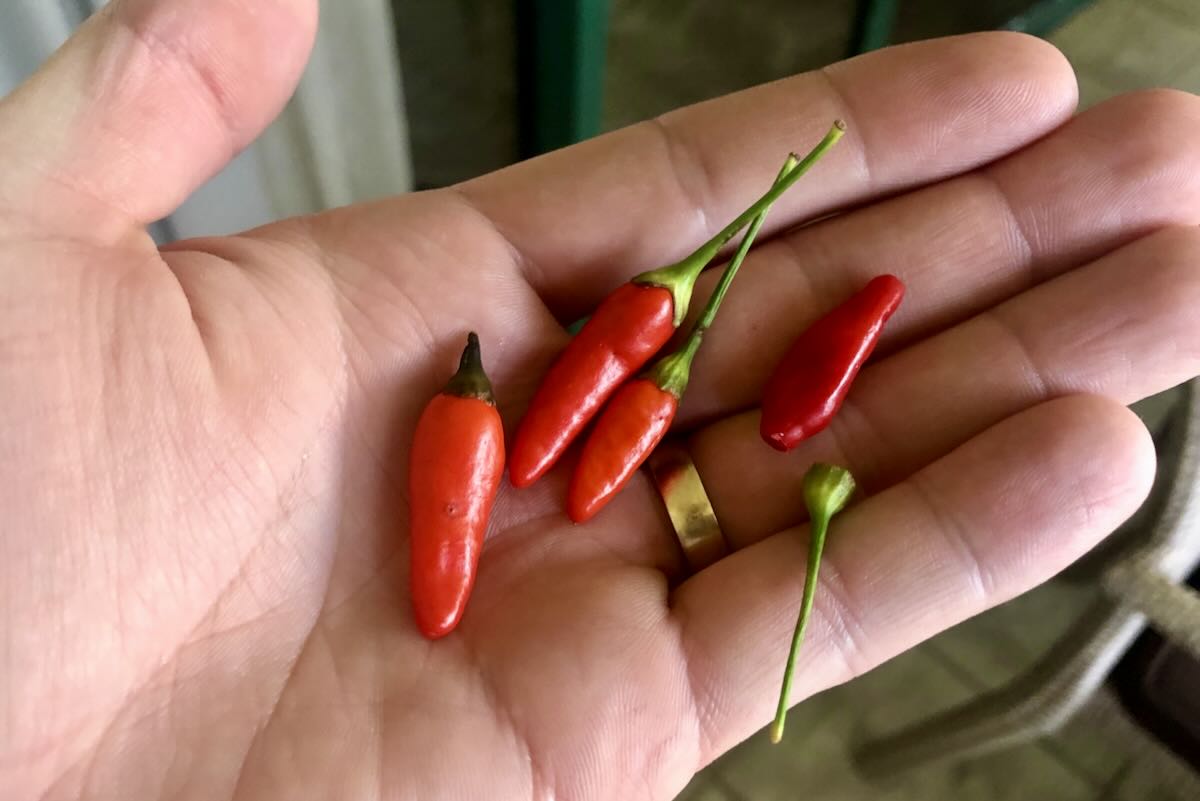
Basic Info
| Name | Hawaii chili pepper, kona pepper |
| Type | Heirloom |
| Species | Capsicum frutescens |
| Heat level (Scoville) | 60,000-80,000 SHUs |
| Flavor | Sharp and slightly smoky |
| Uses | Chili pepper water, hot sauce, pepper flakes |
| Light | Full sun |
| Growing temperature | 70-80°F |
| Plant height | 2-3 feet (taller in ideal conditions) |
| Watering | Evenly moist, good drainage |
| Seeds | University of Hawaii, Etsy |
As you might expect, the Hawaiian chili pepper loves to grow in a warm, tropical climate. It is part of the Capsicum frutescens species, along with the more popular Tabasco variety. The peppers typically take a long time to grow and mature, around 12 weeks after transplanting.
The plants are relatively compact and bushy, typically growing to 2-3 feet tall at maturity. The peppers grow upright on the plants rather than hanging downwards. When the chilies turn red, they easily fall from the plant, which is common for C. frutescens types.
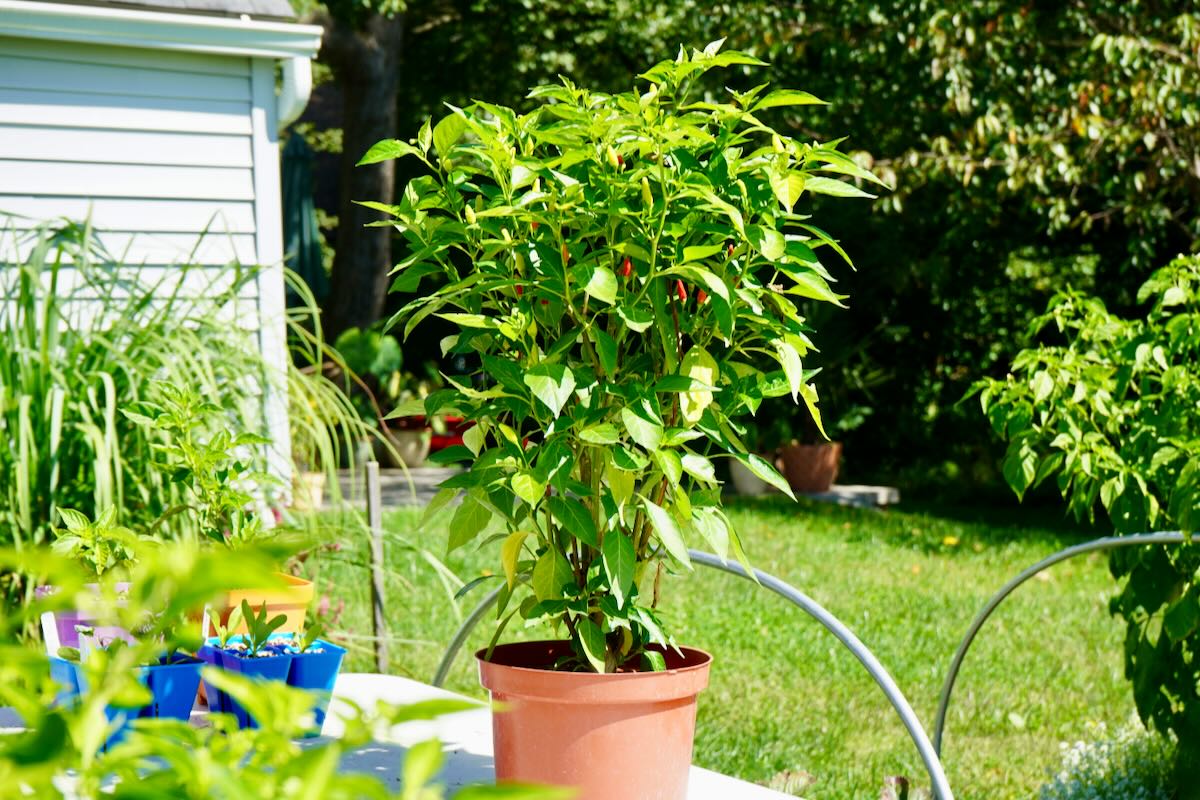
Seeds
Authentic seeds can be difficult to source, since they have to come from Hawaii. However, if you check the University of Hawaii website regularly, you may get lucky and find the seeds in stock. Once you have your own plant, I highly recommend saving your own seeds or overwintering the plants to keep them going.
Heat Level (Scoville Scale)
The Hawaiian chili pepper has a Scoville rating between 60,000-80,000 SHUs. This is hotter than a cayenne pepper, and close to the heat of a mild habanero. It is enough to send most people to the fridge for a glass of cold milk.
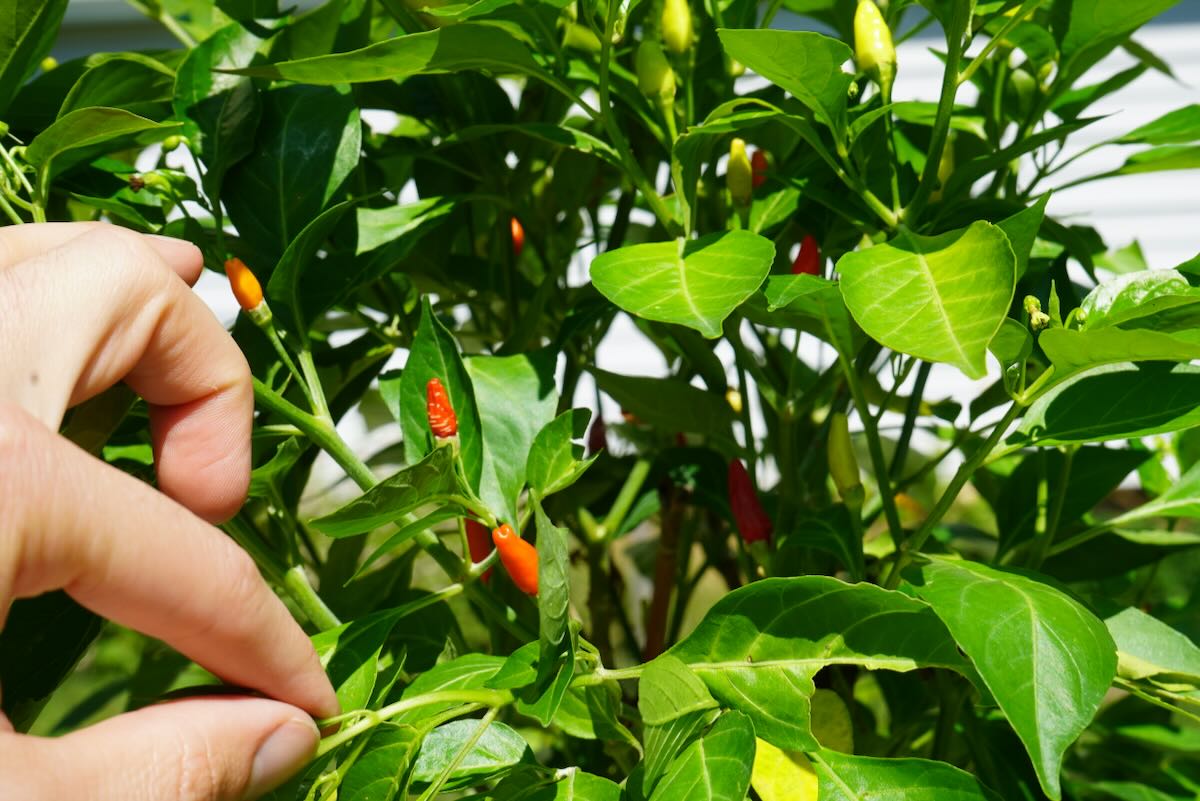
When I tasted the Hawaiian chili pepper for the first time, the heat was shocking. Not only was it spicier than I expected, but the sensation was instant. This tiny chili should not be underestimated! The fiery heat is great for adding spice to meals, and there are many ways to use them in the kitchen.
Flavor and Uses
When it comes to using fresh Hawaiian chili peppers, you have a few great options. We have experimented with our harvests in a variety of ways, and I have some favorites:
- Hawaiian chili pepper water. This is a traditional table sauce found in restaurants across the Hawaiian islands. It is essentially a simple infusion of chili peppers, garlic, and ginger in water and vinegar. For a quick recipe, see below.
- Chili pepper flakes or powder. These small chilies are quick to dehydrate and grind into flavorful pepper flakes to use as a garnish or spice.
- Fermentation. If you have an abundance of them, Hawaiian chili peppers can be used in a fermented mash.
- Hot sauce. Like most hot peppers, these can be used to add heat and flavor to your favorite hot sauce recipes.
Hawaiian Chili Pepper Water Recipe
Making chili pepper water couldn’t be easier. It takes just a few minutes to put together, though it will taste better after sitting for a few days in the fridge. Here is a simple recipe:
Ingredients:
- 5-10 Hawaiian chili peppers
- 1 tsp salt
- 2 cloves garlic, crushed
- 2 slices fresh ginger
- 1 cup water
- 2 tbsp. rice vinegar (or white)
Instructions:
- Add all ingredients to a small pot and bring to a boil
- Remove from heat and let cool for 10 minutes
- Pour into hot sauce bottle and refrigerate
- For best flavor, let sit for 1 week before enjoying
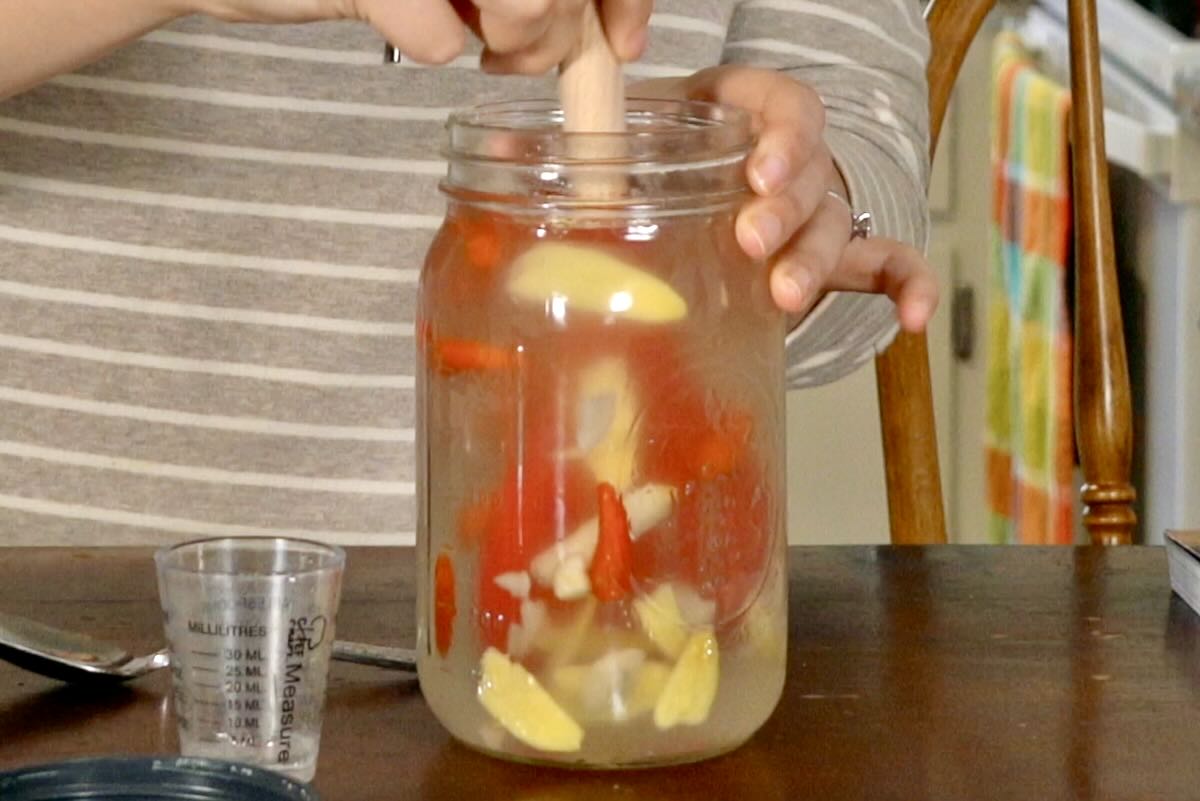
There are many variations on Hawaiian chili pepper water, from adding soy sauce, to fermenting the mixture. However, the principles are very simple – infuse chili pepper flavor and heat into a water/vinegar mix. The end result is a very thin, splashy sauce that is great on almost anything!
I hope this article inspires you to grow your own Hawaiian chili pepper plant. We plan on growing one every year to remind us of our amazing trip to Hawaii, and to enjoy the tasty peppers it gives us. Aloha!

Calvin
One of the original Pepper Geeks! When Calvin isn’t gardening or learning more about peppers and botany, he might be traveling new places or playing some music.
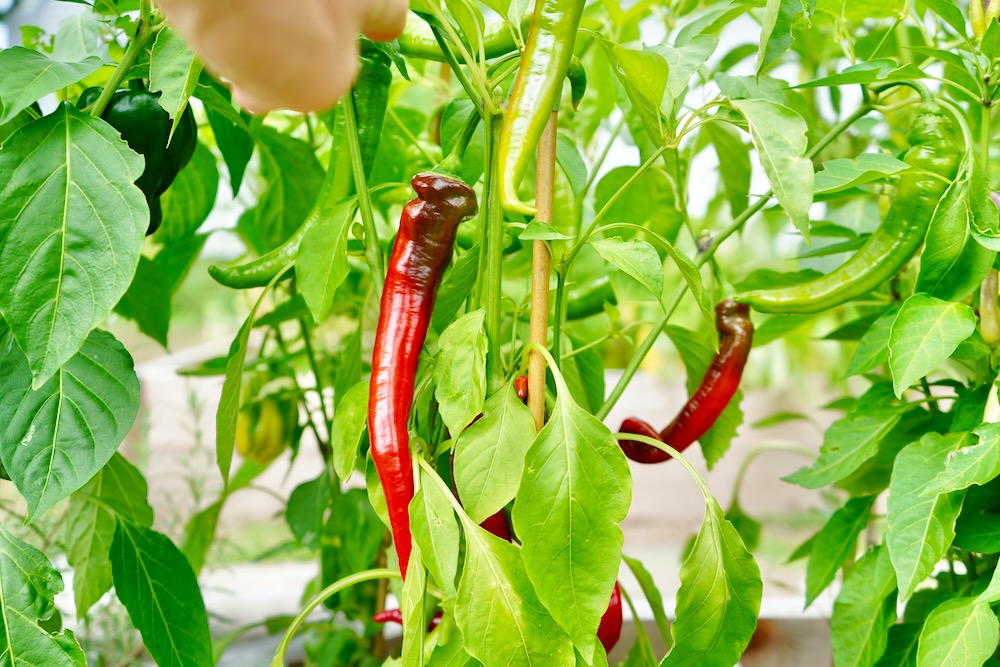
My Hawaiian chili has exceeded my expectations. I receieved seed fromMaui and planted the seeds in January 2020. The following winter I treated it as an annual but one of the plants survived the winter. It did well the summer of 2021. The winter of 21/22 was mild so I cover the pepper plant with agrocloth which protected it from the several frosts. The winters of 22/23 and 23/24 were a repeat of the previous winters so it remained in the ground and covered against frost. The winter of 24/25 got down to the upper 20’s and at this point I was on a mission to save this pepper so I dug it up, put it in a tub and brought it in to the greenhouse. Being 6ft tall I pruned it back to 4ft. There was some defoliation but the plant recovered quickly when replanted back into the garden. It regained its 6ft height and did well through the summer of 25. In January 2026 25° was forecasted so I dug up this chili again and moved it into the greenhouse. Again the plant was shocked but recovered quickly from defoliation. It is now back in the ground in the garden with no sign of shock, all new leaves and 6+ years old. When I showed pictures of the chili to the person I received the seeds from who lives in Maui, she said she has never seen those chilis grow that big in Maui. I know this is long but this pepper plant is my pride and joy. These chilis have a lot of potential.