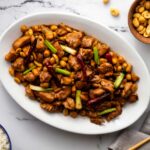
Best Kung Pao Chicken (Authentic Recipe)
With just a bit of ingredient preparation, this authentic Kung Pao chicken recipe comes together in no time for a restaurant quality dish.
Ingredients
Chicken marinade
- 1.5 lbs boneless, skinless chicken thighs cut into small cubes
- 1 Tbsp. soy sauce
- 2 tsp cornstarch
Kung Pao Sauce
- 1/4 cup water or chicken broth
- 5 Tbsp. soy sauce
- 2 Tbsp. balsamic vinegar
- 2 Tbsp. Chinese Shaoxing wine or dry white wine
- 2 tsp hoisin sauce
- 1 Tbsp. brown sugar
- 1.5 tsp cornstarch
Aromatics
- 1 tsp Sichuan peppercorns chopped coarsely, see notes
- 9 large Sichuan chilis dried, cut lengthwise
- 5 cloves garlic sliced thin
- 2 Tbsp. fresh ginger peeled and cut into matchsticks
Stir-fry
- 5 green onions cut into 1" pieces
- 1/2 cup roasted salted peanuts
- Cooking oil peanut or vegetable
Instructions
Ingredient preparation
- Combine chicken and marinade ingredients in a medium bowl and set aside for 20 minutes.

- In a small bowl, whisk together all of the Kung Pao Sauce ingredients and set aside.
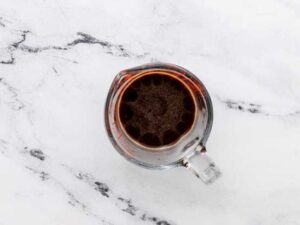
- Prepare your aromatics by course chopping the Sichuan peppercorns, slicing the dried chilies, mincing the garlic, and slicing the ginger. Set aside.
- Chop green onions into 1" pieces and set aside with peanuts.
- Arrange your workstation in this order: Marinated chicken (with extra plate for batch cooking), Sichuan peppercorns, chilis, garlic, ginger, Kung Pao sauce, chopped green onions, and peanuts.
Cooking the chicken
- Pre-heat your pan over medium high heat and add 2 tablespoons of oil. Once it starts to glisten, the pan it is ready.
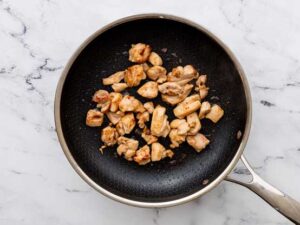
- Add some of the chicken to the pan in a single layer. After about 2 minutes, flip the chicken to brown the other side. Remove chicken from the pan and replace the oil for the next batch. Repeat until all chicken is cooked. Set aside.
Cooking the aromatics (this part moves quick!)
- Reduce heat to low. Add 2 Tbsp. of oil to the pan and allow about 15 seconds to warm up.
- Add the peppercorns and stir vigorously until fragrant about 30 seconds.
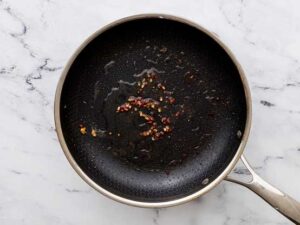
- Add chilis, stirring vigorously until soft, about 30 more seconds.
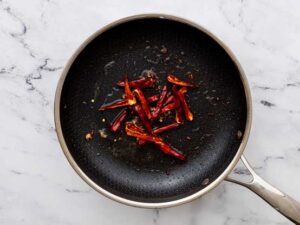
- Add garlic and ginger and stir for another 30 seconds or until the garlic becomes soft and slightly translucent.
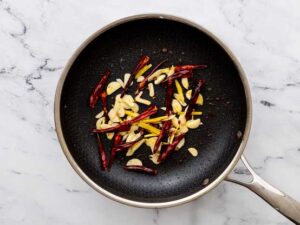
- Raise the temperature to medium and add the Kung Pao sauce. Continue stirring for about 30 seconds, the sauce should bubble and begin to thicken.

Finishing the Kung Pao
- Add chicken and stir until coated. Add green onions and peanuts, stir entire dish for another 30 seconds to combine and heat through.
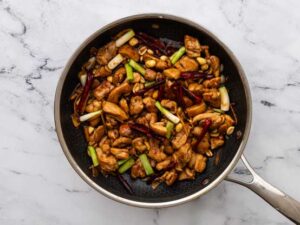
- Serve warm over cooked white rice or noodles.
Notes
- This is a very hands-on recipe. Proper ingredient preparation (before turning on the stove) will lead to the best outcome. For the best results, rely on your senses rather than strictly adhering to the suggested cooking times. Pay close attention to visual cues and the aroma to determine when to flip, stir, or remove from heat.
- Chicken Marinade: “Velveting the chicken” is commonly used in Chinese cuisine. This technique entails incorporating cornstarch into the marinade before cooking, allowing the carbohydrates to lock in juices and shield the protein from high heat for improved heat distribution.
- Prepping the Sichuan peppercorns: The finer the grind of the peppercorns the more intense and widespread the mouth-numbing sensation will be. Use a sharp butcher knife or coffee grinder, and quick chop them until they are somewhat diced.
- Prepping the dried Sichuan chilies: Just like fresh chilies the heat resides inside the chilies. To mellow out the flavor and spice, simply snip the top off of the chili with scissors and pour out the seeds. If you like spicy, cut the peppers in half and use the seeds in the cooking process.
- Add any fresh produce that holds up well to cooking. We like to add fresh red bell pepper, celery, baby corn, carrots, or water chestnuts.
- If you can't find dried Sichuan chilies, you can use fresh jalapeño, cayenne, or dried red chili flakes as a substitute. The main goal is to add a mild amount of spice to the dish without overpowering it.